
Louvre Dampers
Precision Engineered Flow Control Solutions
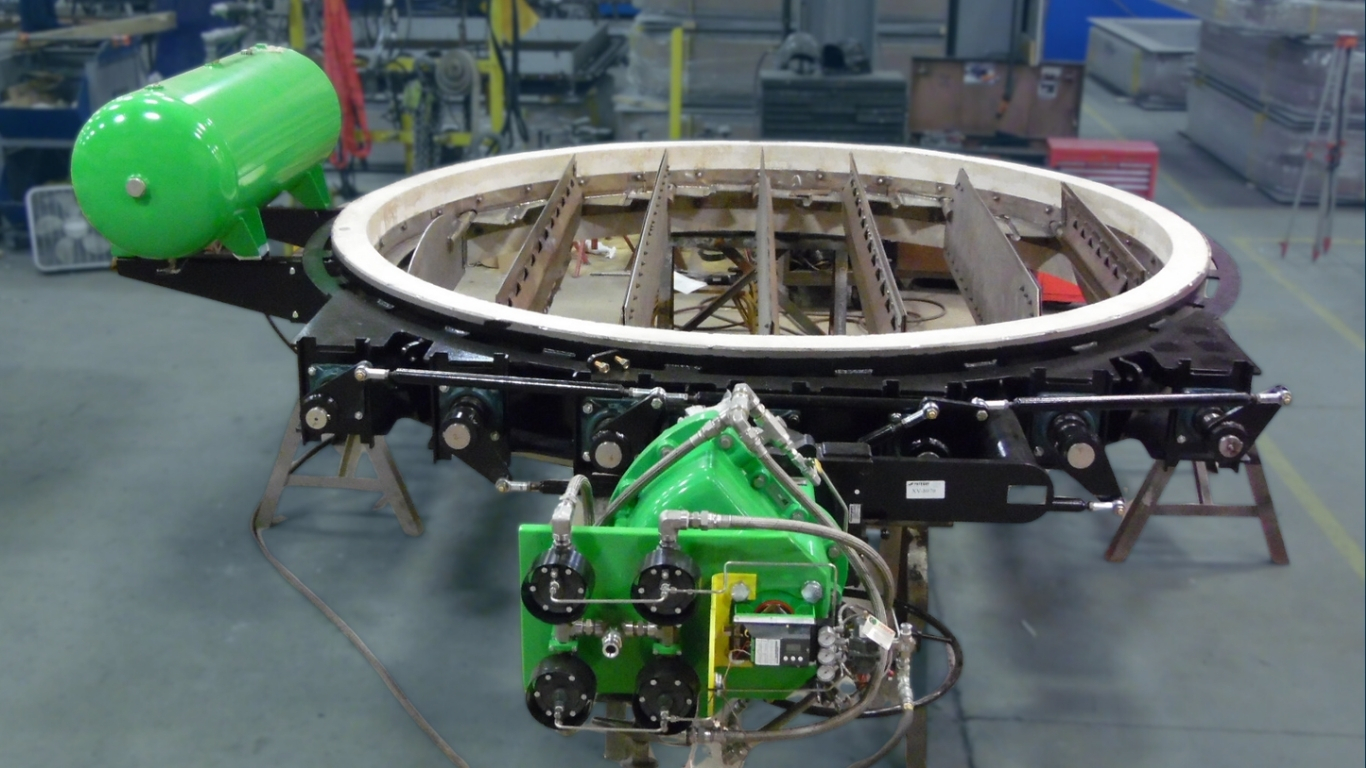
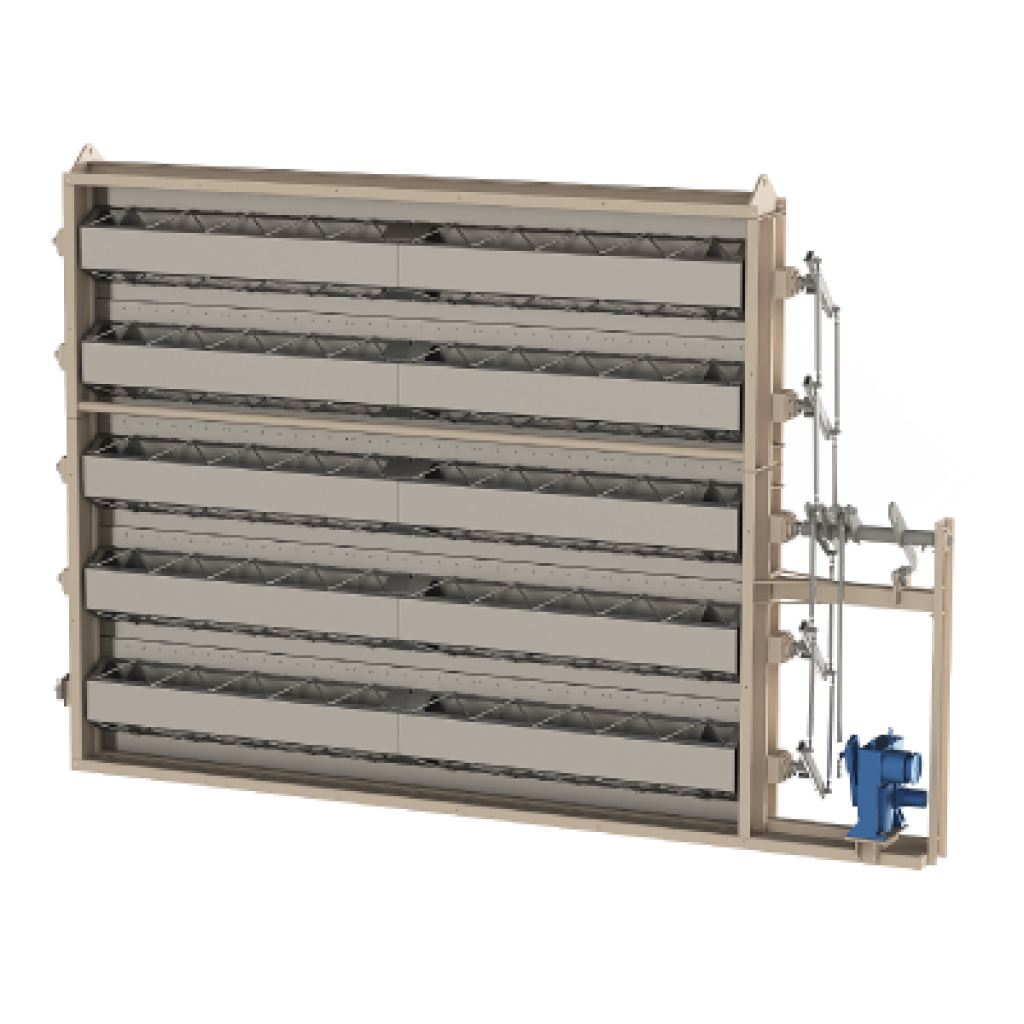
Louver dampers are engineered to provide precise control over airflow in a variety of industrial applications, including power generation, chemical processing, and air handling systems. They consist of multiple parallel blades, or louvers, which rotate simultaneously to modulate flow, isolate sections, or regulate pressure within ductwork. Typically constructed from robust materials such as stainless steel or high-grade alloys, louver dampers are designed to withstand demanding operational environments, including high temperatures, corrosive gases, and significant pressure differentials.
Critical aspects of louver damper engineering include the selection of blade profile, shaft sealing systems, and actuation mechanisms to ensure optimal performance and minimal leakage. Advanced designs often incorporate features such as airfoil-shaped blades for reduced pressure drop and improved energy efficiency, as well as sophisticated sealing arrangements to enhance tightness when closed. The integration of automated controls enables remote operation and seamless integration into existing plant management systems, ensuring reliable and responsive regulation of airflow to meet process requirements.
Louver Damper Fit:
- Attached or linked to piping/duct flanges or directly to duct.
- Flange connections may be alignment bolted and seal welded into the duct, or provided with bolt and gasket type connections.
- Louver dampers typically require between 8”-12” of duct space for installation.
Louver Damper Form:
- Single Louvers are used for duct isolation and flow control.
Louver Damper Function:
- Open/close applications where less than 99.5% isolation is acceptable
- Flow control/modulation
Industrial Applications
Louver dampers are widely utilized across multiple industries due to their versatility and reliability in controlling airflow. In power generation, they help manage flue gas and ventilation, ensuring safe and efficient plant operation. Chemical processing facilities rely on louver dampers to regulate the movement of corrosive gases and maintain precise environmental conditions within reactors and storage areas.
Additionally, air handling systems in commercial and institutional buildings use louver dampers to optimize heating, cooling, and ventilation. Other sectors, such as mining and pulp and paper, employ louver dampers to protect equipment and personnel by controlling dust, fumes, and temperature within processing areas. This broad application highlights the essential role of louver dampers in maintaining operational efficiency and safety across a wide range of Canadian industries.